You probably know someone with diabetes.
A parent, a neighbour, a colleague who switched to "sugar-free" biscuits. But here is the part nobody talks about enough: for every person already diagnosed, there is likely another who has no idea.
India is now officially home to over 101 million people living with diabetes. That number comes from the ICMR-INDIAB study — the largest nationally representative diabetes survey ever conducted in India.
And yet, nearly half of all diagnosed cases were found only because someone got tested.
The other half? Still walking around unaware.
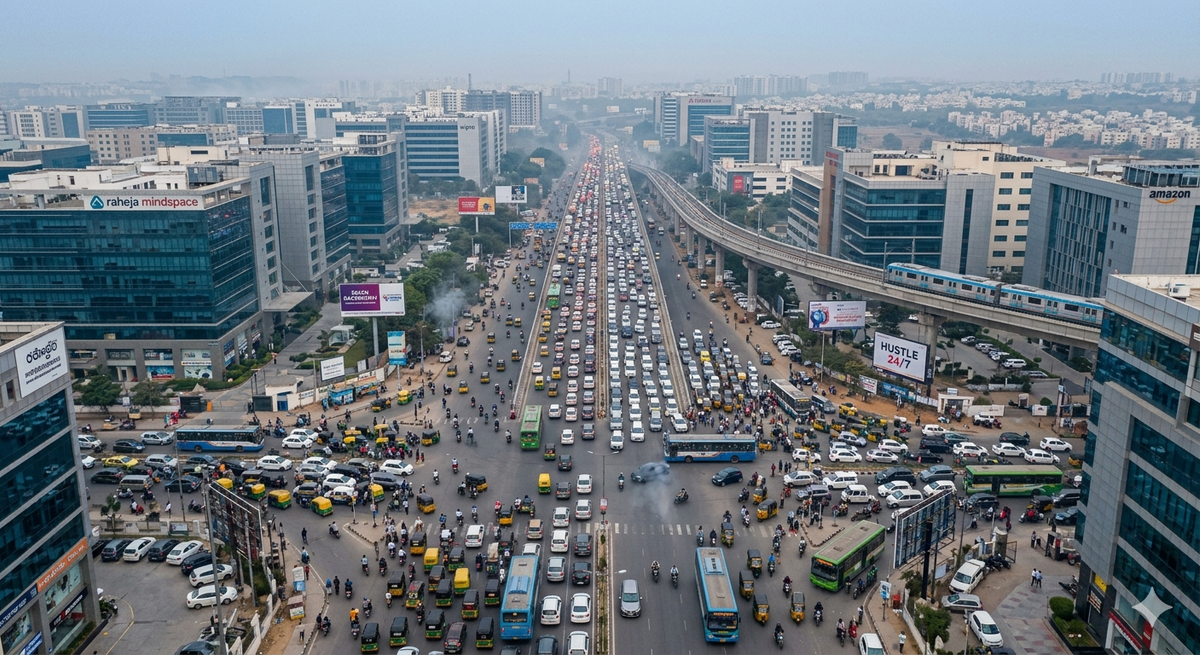
Urban India is carrying a disproportionate share of this burden. The stress, the sedentary routines, the processed food, the broken sleep — it all adds up. And it is adding up faster than most people realise.
This article breaks down what the real data looks like, what makes city life a risk multiplier, and what three specific tests can tell you what you actually need to know.

The Numbers That Should Concern Every Urban Indian
The ICMR-INDIAB study, published in The Lancet Diabetes and Endocrinology in 2023, surveyed over 113,000 individuals across all 31 states and union territories of India.
Here is what it found:
101 million Indians currently have diabetes.
136 million Indians have prediabetes — a condition where blood sugar is elevated but not yet at diabetic levels.
The prevalence of diabetes in urban areas is significantly higher than in rural India. Urban adults show rates nearly double that of their rural counterparts in several states.
In metro cities like Delhi and Chennai, studies have recorded diabetes prevalence exceeding 25% among adults over the age of 20.
The WHO estimates that by 2030, diabetes will be among the top ten causes of death globally. In India, it is already one of the leading drivers of kidney failure, heart disease, and vision loss.
What makes prediabetes particularly dangerous is that it produces almost no symptoms. Most people feel completely fine — until they don't.
Why Urban Life Quietly Accelerates the Risk
There is a cluster of factors that make city living uniquely risky when it comes to blood sugar.
Sedentary work culture is one of the biggest. Long desk hours, back-to-back meetings, and minimal movement through the day means your body processes glucose less efficiently over time.
Chronic stress is the next factor. When you are constantly under pressure — deadlines, traffic, finances — your body releases cortisol. Cortisol raises blood sugar levels. Do this every day for years, and the system starts to break down.
Sleep deprivation comes third. Studies consistently show that sleeping fewer than six hours per night disrupts insulin sensitivity. And urban India is not sleeping enough.
Diet patterns round it out. Quick meals, packaged snacks, high-carb tiffins, and excessive refined sugar are all part of the urban default. These foods spike blood glucose rapidly and frequently, wearing out the body's insulin response over time.
None of these are dramatic lifestyle crimes. They are just Tuesday.
That is what makes urban diabetes so insidious. It builds quietly, inside a life that looks completely ordinary.

The Part Most People Miss: Insulin Resistance
Diabetes does not usually arrive all at once.
It comes after years of your body quietly struggling. That struggle has a name: insulin resistance.
When you eat, your blood sugar rises and your pancreas releases insulin to manage it. But when cells stop responding to insulin properly — due to stress, excess weight, inactivity — the pancreas has to work harder.
For a while, it keeps up. Blood sugar looks normal. You feel fine.
Eventually, the pancreas can no longer compensate. Blood sugar stays elevated. Prediabetes begins. Then, if left unchecked, type 2 diabetes.
The entire journey from early resistance to full diabetes can take ten to fifteen years. And it is almost entirely silent.
This is why testing matters before symptoms appear.
Already Thinking About Getting Tested?
If you are in that 30-to-50 age bracket, work long hours, or have a family history of diabetes, this is not something to schedule "next month."
Cura offers a comprehensive diabetes screening panel you can get done from home — no hospital visit, no waiting.
Recommended Tests for Diabetes Screening
These three tests together give the most complete picture of your blood sugar health.
Fasting Blood Glucose
Measures your blood sugar after an 8-10 hour fast. It is the first-line screening test for diabetes and prediabetes.
Normal Range: "Below 100 mg/dL (fasting)"
Why It Matters: "Elevated fasting glucose is often the first detectable sign that your body is struggling with sugar regulation."
HbA1c (Glycated Haemoglobin
Reflects your average blood sugar levels over the past 2 to 3 months. No fasting required.
Normal Range: Below 5.7%
Why It Matters: Unlike fasting glucose, HbA1c cannot be manipulated by a single good day of eating. It shows the real pattern.
HOMA-IR (Insulin Resistance Index)
Calculated using fasting insulin and fasting glucose levels. Quantifies how resistant your cells are to insulin.
Normal Range: Below 2.0 (optimal), Below 2.9 (acceptable)
Why It Matters: HOMA-IR can detect insulin resistance years before glucose levels become abnormal. It is early warning at its most useful.

Who Should Get Tested Right Now
You do not need to have symptoms to justify a screening.
If any of the following apply to you, getting tested sooner rather than later is the right call:
You are 30 years or older and have never had a blood sugar check.
You have a parent or sibling with diabetes.
You have been gaining weight around the abdomen even without major changes in diet.
You feel unusually tired or thirsty without a clear reason.
You have been told your cholesterol or blood pressure is slightly elevated.
You are pregnant or planning to be — gestational diabetes is a real risk.
The ICMR-INDIAB study found that nearly 47% of people with diabetes in India had not been diagnosed before the survey. Almost half. These are not people who ignored warning signs. They just never got tested.
Get Your Diabetes Screening Done From Home
No clinic visits. No waiting rooms. Just clear, accurate results — collected at your doorstep by a trained professional.