Something Is Going Wrong Long Before You Feel It
Most people find out they have a metabolic problem only after a diagnosis lands on them.
Prediabetes. PCOS. Fatty liver. High triglycerides. Hypertension. These conditions rarely appear out of nowhere.
In most cases, insulin resistance has been quietly building for years, sometimes a decade or more, before any of these diagnoses show up.
The problem is that insulin resistance produces almost no symptoms in its early stages. You may feel slightly tired, carry some weight around your belly, or crave carbohydrates more than usual.
And most routine blood tests, including a standard fasting glucose, will come back completely normal.
That is exactly what makes it dangerous.
What the Data Tells Us About India
India is in the middle of a metabolic crisis that most people are not fully aware of.
According to the Indian Council of Medical Research (ICMR), India has over 101 million people living with diabetes as of 2023, making it the diabetes capital of the world.
The World Health Organization (WHO) estimates that more than 77 million adults in India have prediabetes, many of whom are undiagnosed.
What makes this worse is that Indians develop insulin resistance at lower BMI thresholds compared to Western populations. A person who appears to be at a "normal" weight by standard charts can already have significant metabolic dysfunction.
Studies published in the journal Diabetologia have consistently shown that South Asians have a higher percentage of visceral fat (fat stored around organs) at any given body weight, which is a primary driver of insulin resistance.
What Insulin Resistance Actually Is (Explained Simply)
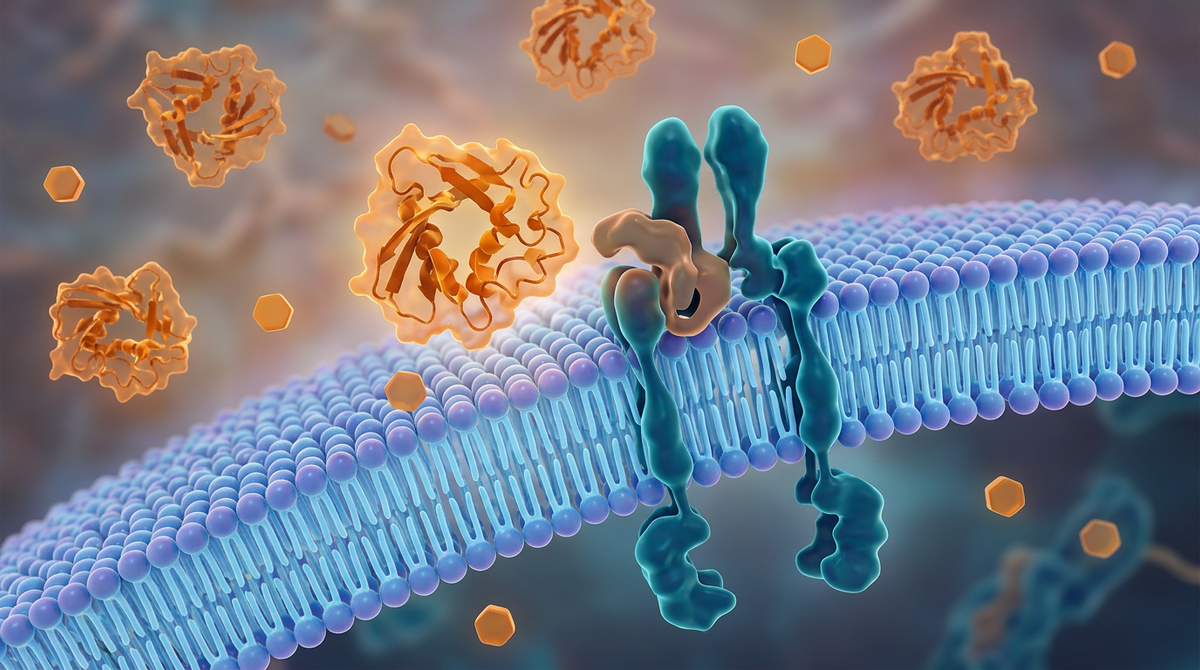
When you eat carbohydrates or sugar, your blood glucose rises. Insulin is released to "unlock" your cells so they can absorb that glucose and use it for energy.
When you are insulin resistant, your cells start ignoring this key.
The pancreas responds by producing more and more insulin to force the cells open. For a while, it works. Blood glucose stays normal. But fasting insulin levels are rising silently.
Over time, the pancreas gets exhausted trying to keep up. Blood sugar starts rising too. This is when prediabetes and then Type 2 diabetes develop.
But the damage does not stop at blood sugar. Chronically high insulin affects almost every system in the body.
What Insulin Resistance Drives Beyond Diabetes
Type 2 Diabetes The most direct consequence. Cells stop responding to insulin, the pancreas burns out, and blood sugar stays permanently elevated.
PCOS (Polycystic Ovary Syndrome) High insulin stimulates the ovaries to produce excess androgens (male hormones), disrupting ovulation and hormone balance.
Non-Alcoholic Fatty Liver Disease (NAFLD) Excess insulin pushes the liver to convert glucose into fat. Over time, this fat accumulates in the liver tissue itself.
Cardiovascular Disease High insulin drives inflammation, raises triglycerides, lowers HDL (good cholesterol), and promotes arterial plaque formation.
Hypertension Insulin affects sodium retention in the kidneys, which raises blood pressure directly.
Obesity and Difficulty Losing Weight Insulin is a fat-storage hormone. Chronically high insulin makes it extremely hard for the body to access and burn stored fat.

How Insulin Resistance Develops
It does not happen overnight. It builds gradually through a combination of factors.
Diet high in refined carbohydrates and sugar forces the pancreas to release large amounts of insulin repeatedly throughout the day. Over time, cells become desensitized.
Sedentary lifestyle reduces the muscle cells' ability to absorb glucose efficiently. Muscle tissue is the body's largest glucose "sink." When it stops working well, blood sugar stays elevated longer.
Visceral fat (belly fat) produces inflammatory chemicals called cytokines that directly interfere with insulin signaling at the cellular level.
Chronic stress raises cortisol, which elevates blood glucose and over time blunts insulin sensitivity.
Poor sleep even a few days of poor sleep has been shown in clinical studies to meaningfully reduce insulin sensitivity in healthy adults.
Genetic predisposition especially relevant for South Asians, who carry genetic variants that lower insulin sensitivity even at younger ages and lower weights.
Why Standard Tests Miss It Completely
This is where most people are let down by routine health checkups.
A standard fasting blood glucose test will show "normal" results until the situation is already quite advanced.
By the time fasting glucose rises above the normal range, the pancreas may have already been overcompensating for several years.
The right way to detect insulin resistance early is to test insulin itself, not just glucose.
Recommended Tests from The Cura
Understanding Your HOMA-IR Score
HOMA-IR stands for Homeostatic Model Assessment of Insulin Resistance. It is a formula calculated from two values: your fasting insulin and your fasting glucose.
The formula is: (Fasting Insulin in mIU/L x Fasting Glucose in mmol/L) / 22.5
Here is how to read the result:
- Below 1.0: Optimal insulin sensitivity
- 1.0 to 2.0: Normal range, though the lower end is ideal
- 2.0 to 2.9: Early insulin resistance. Lifestyle changes needed now.
- Above 2.9: Significant insulin resistance. Medical guidance recommended.
Most people who feel completely fine have never had this calculated. Many of them would be surprised by the result.
Can Insulin Resistance Be Reversed?
Yes. This is one of the most important things to understand.
Unlike many chronic conditions, insulin resistance is largely reversible, especially when caught early.
The most effective interventions are not complicated. They are consistent.
Reducing refined carbohydrate intake is often the single highest-impact change. Lower carb intake means less insulin release, giving cells a chance to recover their sensitivity.
Resistance training (strength training) increases the density of glucose transporters in muscle cells, dramatically improving insulin sensitivity. Even two to three sessions per week show measurable improvements within a few weeks.
Walking after meals has been shown in multiple studies to blunt the post-meal glucose spike significantly. A 10 to 15 minute walk after eating is one of the simplest evidence-based interventions available.
Improving sleep quality to 7 to 8 hours consistently restores much of the insulin sensitivity lost to poor sleep.
Stress management through any consistent method (breathing, meditation, time outdoors) lowers cortisol and reduces its interference with insulin signaling.
Time-restricted eating compressing eating to an 8 to 10 hour window gives the pancreas extended rest and has shown improvements in insulin sensitivity in multiple clinical trials.

A Note on Supplements and Medications
Some supplements have genuine clinical evidence behind them for improving insulin sensitivity.
Berberine, inositol (especially for PCOS), magnesium, and alpha-lipoic acid have all been studied in peer-reviewed trials with measurable results.
Metformin is often prescribed in prediabetic states and works by reducing glucose production in the liver and improving insulin signaling.
However, supplements and medications work best as support, not as substitutes for the lifestyle changes listed above.
Always consult a physician before starting any supplementation, particularly if you have existing conditions or take other medications.
Know Your Numbers Before It Becomes a Diagnosis
Insulin resistance is silent. The best time to test is before you have symptoms.
TheCura.co offers home sample collection across India. Our Metabolic Health Panel covers Fasting Insulin, HOMA-IR, HbA1c, and a full lipid profile so you get a complete picture, not just a single number.